
Agenda
Note: Subject to change. Additional speaker and session information TBA
Tuesday, February 24, 2026
8:00 - 9:00 am Welcome Continental Breakfast and Registration

10:30 - 11:00 am Networking Coffee Break
12:00 - 1:00 pm Lunch Break
2:30 - 3:00 pm Networking Coffee Break

TRACK B





4:30 - 6:00 pm Networking Reception
Wednesday, February 25, 2026
8:00 - 9:00 am
Continental Breakfast and Registration
9:00 - 9:30 am
Achieving the Vision: Strategies for Resilient and Affordable EV Charging for Public and Private Fleets


10:30 - 11:00 am Networking Coffee Break
12:15 - 1:15 pm Lunch Break



2:30 - 3:00 pm Networking Coffee Break
Session Details
9:30 - 10:30 am | Tuesday, February 24
Grid Expansion 2.0: What FERC Order 1920 Means for EV Charging
The new FERC transmission planning rule is a watershed for integrating large-scale EV loads. This session explains how long-term scenario planning, regional cost-sharing, and improved state engagement will shape siting for high-power charging.
Why 20-year transmission planning horizons are critical for EVs.
How new cost-allocation models speed deployment.
Coordinating distribution upgrades with regional planning processes.


11:00 - 11:30 am | Tuesday, February 24
Charging the Future: Why Now is the Time to Double Down on EV Infrastructure—and How to Thrive


In an era of rapid EV adoption—projected at 25% of U.S. vehicles by 2030—charging infrastructure lags, with a 200,000-port shortage in 2025 alone. This presentation explores why stakeholders must act now, driven by declining battery costs, shifting policies, and grid strain, to avoid a bottleneck in the electrification revolution. Drawing on real-world insights, it uncovers the risks of delayed investment—lost revenue, stranded assets—and showcases bold strategies for scaling networks. From integrating renewables to leveraging local manufacturing, the session highlights actionable steps for operators, utilities, and municipalities. Attendees will gain a provocative perspective on turning urgency into opportunity, with a focus on resilient, customizable solutions that ensure reliability and growth. Expect a call to action: double down today to lead tomorrow’s mobility landscape.
Key Learning Points
The 200,000-port charger shortage in 2025 signals an urgent need for immediate investment to meet EV demand.
Policy uncertainty (e.g., federal incentive shifts) requires agile, locally supported manufacturing to mitigate risks.
Integrating renewable energy and storage with chargers can turn grid challenges into competitive advantages.
Customizable, high-uptime solutions are critical for scaling networks amidst reliability concerns.
Strategic partnerships with innovative manufacturers can accelerate deployment and ensure long-term success.

11:30 - 12:00 pm | Tuesday, February 24
Charging Smarter, Not Harder: How AI Expands EV Charging Capacity


AI-powered charging is transforming vehicle electrification. This presentation explores real-world applications of predictive charging algorithms that dynamically adapt to operational conditions. We’ll present two case studies demonstrating how data-driven smart charging systems can overcome timing and energy supply constraints while delivering cost savings.
The first case study explores the evolution of a solution developed with a customer operating one of the largest fleets of electric school buses on the West Coast while facing significant power constraints. Smart charging algorithms played a critical role in increasing charger utilization to meet the fleet’s operational needs.
In a second case study highlights a system that integrates vehicle telematics data with charger-level telemetry to implement a vehicle-centric smart charging strategy. By reliably identifying the vehicle connected to each Level 2 charger through real-time telematics data, we can associate charging activity with the vehicle itself, not the hardware port, providing accountability and performance insights.
Learning Points:
• AI can be applied throughout the ecosystem to improve operations
• Electric fleets can leverage intelligent charging to address power and time constraints
• Integrations between applications help control costs and improve fleet operations
• Automated charger maintenance is playing a larger role in fleet readiness
1:00 - 1:30 pm | Tuesday, February 24 -- TRACK A
Five Years of Nordic EV Charging: Lessons for U.S. CPOs
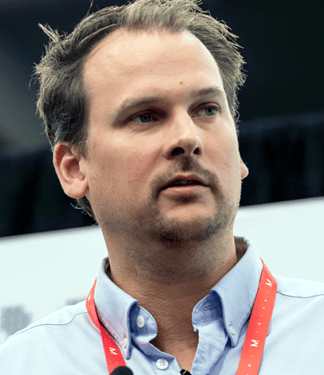
The Nordics are five years ahead in EV adoption, with one in three cars already electric in Denmark. Over this period, Monta has partnered with operators across Europe to deploy and scale networks under rapidly evolving regulatory, technical, and consumer landscapes. This session will share candid lessons learned from European CPOs that U.S. operators can apply immediately as they expand their networks.
Drawing from real-world case studies, Monta CEO Casper Rasmussen will outline how European operators balanced rapid growth with reliability. Attendees will leave with actionable insights into how to scale sustainably and avoid costly missteps.
Learning Points:
How Nordic CPOs scaled networks rapidly while maintaining reliability and high uptime
Why interoperability, roaming, and seamless payments proved decisive for EV driver adoption
Actionable insights for accelerating network rollout while avoiding common pitfalls

1:30 - 2:00 pm | Tuesday, February 24 -- TRACK A
Beyond the Charger: How Grid Conditions Impact EVSE Reliability


As Charge Point Operators (CPOs) scale their networks to meet growing EV demand, many are unknowingly exposed to a critical vulnerability: poor power quality from the grid. While most operational strategies focus on charger hardware, software platforms, and user experience, the electrical conditions feeding these systems are often overlooked. This blind spot can have significant consequences.
Power modules, contactors, and other electric vehicle supply equipment (EVSE) frequently fail in the field and are often written off as consumables. But in many cases, these failures are not due to manufacturing defects or wear and tear-they are symptoms of upstream grid issues like voltage sags, harmonics, phase imbalance, and transient events. Without visibility into these conditions, CPOs are left treating symptoms rather than addressing root causes.
This session will explore how real-time monitoring of grid-side conditions at the transformer level can help CPOs better understand the true drivers of charger downtime and component degradation. Key takeaways include:
Diagnosing recurring failures by identifying correlations between power quality anomalies and component breakdowns
Improving root cause analysis to reduce unnecessary replacements and truck rolls
Shifting from reactive to predictive maintenance using data-driven insights
Engaging utilities with evidence-based data to accelerate issue resolution and infrastructure upgrades
Supporting smarter site selection and load balancing for future deployments
Attendees will leave with a deeper understanding of how grid visibility can reduce operational costs, improve uptime, and support more resilient infrastructure planning. As the EV charging market matures, CPOs who treat power quality as a critical data stream-not just a utility concern-will be better positioned to scale reliably and sustainably.
1:30 - 2:00 pm | Tuesday, February 24 -- TRACK B
Effective Charger O&M from Detection to Resolution: Teamwork, Not Guesswork

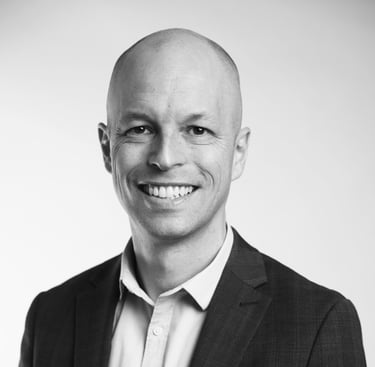
Whether in media headlines, conference agendas, trade-show conversations, or private meetings, the industry largely agrees on one thing: dependable charging infrastructure is
essential to a timely and viable EV transition. Among the many factors involved, hardware and software design, site planning and deployment, interoperability, one element stands out as critical to long-term dependability: efficient, effective operation and maintenance (O&M) at scale.
O&M goes far beyond soft resets and truck rolls. It requires proactive monitoring that looks past indicator lights, performance metrics that reflect reality, and diagnostics and runbooks that actually guide resolution. They rely on repeatable processes and structured workflows to operate effectively at scale. And while technology and AI show real promise in reducing effort and automating parts of the work, effective O&M must ultimately be designed around one central reality: humans, across teams, organizations, and vendors, still need to collaborate, communicate clearly, and operate with shared accountability.
This presentation will highlight the critical role of collaboration in building dependable EV charging infrastructure, along with the need for open ecosystems and sustainable business models. It will emphasize the rigorous implementation of open standards (such as OCPP), transparent access to data, documentation, training and parts, and the importance of supportive regulation and funding frameworks that prioritize uptime and effective O&M.
2:00 - 2:30 pm | Tuesday, February 24
Software-defined Microgrid Controls for Seamless Integration of Solar, Storage and EV Charging


As distributed energy resources (DERs) proliferate and the grid faces growing demands for flexibility and resilience, the role of microgrids—particularly those integrated into Virtual Power Plants (VPPs)—has become essential. At the heart of this transformation lies software: the orchestrator that enables intelligence, adaptability, and coordination at scale. This session explores how advanced cloud-based IoT platforms are reshaping microgrid control architectures, enabling real-time data collection, edge-to-cloud coordination, predictive optimization, and dynamic participation in energy markets.
Drawing from field deployments and live operational data across diverse geographies, we will demonstrate how software-defined microgrid controls enable seamless integration of solar, storage, EV charging, and flexible loads, while maintaining reliability and meeting regulatory and economic objectives. We will also examine the shift from hardware-centric SCADA systems to API-driven architectures that support rapid innovation and deployment, specifically in multi family and commercial environments.
Whether managing a single facility or coordinating a fleet of microgrids within a VPP, software is no longer just an enabler—it is the core control layer. Attendees will leave with a deeper understanding of the architecture, use cases, and operational benefits of intelligent, cloud-native control platforms for the evolving energy landscape.
3:00 - 3:45 pm | Tuesday, February 24 -- TRACK A
From Mobility to Grid Asset: Integrating V2G into VPPs


As electric vehicle adoption accelerates, Vehicle-to-Grid (V2G) integration is becoming a powerful lever for flexibility and resilience within Virtual Power Plants (VPPs). This session explores how an aggregation of EVs provides mobility and can also serve as a distributed energy resource, providing grid services such as peak shaving. We will discuss the technical, economic, and regulatory enablers of V2G participation in VPPs, drawing on emerging pilot projects and real-world examples to highlight pathways toward scalable adoption.
Key Takeaways
Understand how V2G enhances VPP flexibility by turning EVs into dynamic grid assets
Explore business models that align EV owner incentives with system-level benefits
Learn about the interoperability and standards needed to scale V2G within VPPs
Gain insights into regulatory frameworks and market signals that support V2G participation
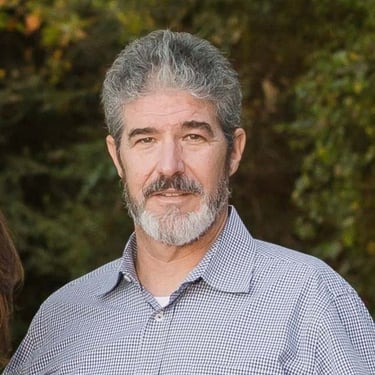

3:00 - 4:30 pm | Tuesday, February 24 -- TRACK B
Solutions for Accelerating EV Charger Energization: Perspectives from States Leading on Charger Deployment
Delays in the process of connecting new EV chargers to the grid (the energization process) are emerging as a barrier to the transition to electrified transportation. Unlike the interconnection process in which new generation resources are connected to the grid, energization processes to connect new load sources like EV chargers tend to be less formally defined and often lack standardization and deadlines. This can be particularly problematic for medium- and heavy-duty EV chargers, which are much more likely to trigger the need for grid infrastructure upgrades. In some states experiencing rapid EV adoption, like California, delays in this process have resulted in significant backlogs of EV charger energization requests. This panel will explore strategies that states are adopting to improve the EV charger energization process and ensure the process keeps pace with the requirements of electric transportation goals—from timeline requirements to flexible energization policies and proactive grid planning.
3:45 - 4:30 pm | Tuesday, February 24 -- TRACK A
Microgrids for EV Charging Beyond the Grid: Delivering Supplemental Power without Exceeding Utility Site Limits




This panel will explore lessons learned from a Prologis/Synop collaboration on a mobile BESS charging deployment at a food and beverage distribution site. The customer needed to scale charging at the site to accommodate 3x more electric vehicles but faced a strict 80kW utility limit. Exceeding that limit risked panel failure and significant fleet downtime and delivery disruption.
With no time to wait for utility infrastructure upgrades, Prologis tested a mobile BESS/inverter system, orchestrated by SynopLink (Synop's grid edge device). The system supplies significantly more supplemental power to the site, blending battery and grid to deliver 3x charging capacity without exceeding utility limits.
Key Takeaways
Understand how mobile BESS can expand site charging capacity under a strict utility cap without exceeding panel limits or requiring utility infrastructure upgrades
Appreciate the close collaboration between parties (customer, hardware and software providers, and utility) to plan and test this type of deployment
Review practical deployment lessons for dense urban sites: minimal real-estate footprints, using mobile/temporary assets to avoid lengthy upgrade timelines, interconnection and protection settings, commissioning steps, and maintaining compliance (zero exceedances of utility limits)
1:45 - 2:30 pm | Wednesday, February 25
Advances in Managed Charging and Energy Dispatch for Fleets: School Bus Case Studies


As more EVs come onto the grid, managing load becomes imperative for both grid operators and fleet operators. Managed charging can take many forms and exists on a spectrum anywhere from participating in Time of Use rates to automated V2G dispatch. Highland Electric Fleets operates electric school buses in states and utility territories across the country, and builds managed charging in all forms into projects whenever possible. This session will discuss case studies, program development, and the spectrum of available programs across the country.
Key Takeaways
Managed charging strategies for EV integration
Highland Electric Fleets’ implementation and experience
Program design and national case studies
This session examines how robust Public Key Infrastructure (PKI) architectures can underpin secure, interoperable vehicle to grid ecosystems that rely on ISO 15118 and IEEE 2030.5. As V2G grid codes increasingly prescribe both communication protocols and cybersecurity obligations for electric vehicles, charging infrastructure, and grid operators, fragmented trust models have become a material risk. This panel explores the unique security considerations of multi-protocol environments, including certificate lifecycle management, cross domain authentication, and governance across OEM, utility, and charging operator boundaries. Panelists will present pragmatic, deployable strategies that reduce integration friction while meeting regulatory and grid reliability requirements. Drawing on real world deployments and standards leadership, the discussion will offer actionable guidance for EV manufacturers and charging network operators seeking scalable, future proof security models for V2G participation.
Key Takeaways
V2G grid codes and standards that dictate protocols of EV's and that grid operators
Special security considerations for networks that require multiple protocols and PKI's
Practical solutions for EV OEM's and EV charging operators
Strategy for networks that incorporate ISO 15118 and IEEE 2030.5 protocols


This session focuses on the cybersecurity challenges surrounding chargers, charging networks, and their integration with vehicles and the grid. Panelists will explore real-world vulnerabilities in communication protocols, payment systems, and networked management platforms, as well as the potential for cascading impacts across fleets and energy systems. The discussion will highlight current threat trends, regulatory expectations, and practical strategies for hardening charging assets against cyber intrusion -- ensuring trust, safety, and reliability in the EV charging ecosystem.
Key Topics:
- Common and emerging cyber attack vectors targeting EV chargers and charging network infrastructure
- How vulnerabilities in charger communications, authentication, and backend management systems can impact vehicles, fleets, and the wider grid
- Practical strategies and frameworks for securing EV charging assets, from hardware and firmware to network operations
- Evolving standards, regulations, and industry collaborations shaping the future of EV charging cybersecurity


In the high-demand world of autonomous rideshare, uptime and reliability are non-negotiable. This session will offer an in-depth look at how peak operational efficiency was ensured for a leading autonomous electric vehicle rideshare provider across several of their U.S. sites. The lessons learned apply to all organizations that own and operate electric vehicles. By leaning into proactive service and preventative maintenance, exceptional charger performance was maintained for the sites in supporting unprecedented utilization levels consistently above 97% across locations. This empowered the leading autonomous rideshare provider to safely and efficiently use its electric vehicles — and led to significant learnings in operational success that organizations with an EV strategy must consider.
Key Takeaways and Learnings:
- Complex site and electrical requirements must be accommodated
- High utilization sites need stability and dedicated support
- A customizable and centralized approach to proactive service models is essential
- Collaboration ensures success
9:30 - 10:00 am
Solar-to-EV Charging: Software and Technology Solutions for Maximizing EV Microgrid Performance


The rapid growth of EV charging is outpacing grid capacity, forcing operators to look beyond the utility for reliable power. This challenge is driving a shift toward supplementing grid power with onsite solar and battery storage. In this session, Tom McCalmont explores how to evaluate technology solutions that maximize uptime, eliminate surge pricing, and achieve energy self-sufficiency.
Using real-world data from Paired Power’s installation at Intuit’s San Diego campus, Tom will demonstrate how an intelligent Energy Management System (EMS) can optimize solar-to-EV charging. Attendees will learn how this site successfully delivered over 110,000 miles of emissions-free commuting while remaining net-zero from the utility grid. Participants will leave with a framework for the technology needed to implement grid-independent or grid-tied solar EVSE that can reduce operational costs without sacrificing reliability.
Key Takeaways and Learnings:
Navigating Grid Constraints: How to identify the "grid wall" at your site and determine when onsite solar/storage is more cost-effective than traditional utility upgrades
The Role of Intelligent EMS: Why software—not just hardware—is the key to balancing intermittent solar power with the high-power demands of EV charging
Optimizing Uptime and Resilience: Strategies for maintaining 24/7 charging reliability in both grid-tied and "islanded" (off-grid) microgrid configurations
Economic Value Stacking: How to use onsite energy to eliminate peak demand charges and surge pricing, significantly lowering the total cost per mile
Real-World Implementation: Lessons learned from the Intuit San Diego campus on scaling emissions-free commuting without increasing the utility footprint
10:00 - 10:30 am | Wednesday, February 25
Reliability in Practice: Achieving and Sustaining 97% Uptime
NEVI rules require 97% uptime, but sustained reliability is more than a metric. This session unpacks how states are auditing, how SLAs can be structured to meet targets, and how preventive maintenance and transparent data reporting make networks bankable.
Takeaways:
The official uptime calculation and what data must be collected
SLA design: response times, parts inventories, and remote fix rates
Preventive maintenance models that reduce downtime costs
How new state rules (like California) interact with federal NEVI requirements
3:00 - 3:45 pm | Wednesday, February 25
Making Charging Ubiquitous With Mobile Robotics


Can mobile robotics solve the problems of serving all the EVs when that's what everybody is driving? This session will look at the development of robots that will charge EVs wherever they happen to be parked, exploiting existing infrastructure rather than deploying fixed assets that serve only a few vehicles at a time and are hard to manage. Apart from making EVs easier to use, the vision is to power them with new colocated solar PV generation, using excess energy in V2G-capable EVs to power homes.
Takeaways:
- Why mobile charging makes sense, how it boosts EV adoption
- How EV power electronics can be leveraged for dual use
- Why small robots work
- How VPPs & V2G reduce EV costs
- Why using distributed solar and EVs as storage is a lot cheaper than trying to build out the power grid


Carolyn Weiner
Director, Transportation Electrification
Electric Vehicle Charging Accessibility Network (EVCAN)
> profile


As electric vehicle adoption expands rapidly, interoperability and data standardization are essential to unlock scalable, seamless charging experiences that benefit drivers, operators, and the grid. This panel will examine how open protocols such as Open Charge Alliance’s OCPP, ISO 15118’s Plug and Charge, and roaming standards like OCPI are transforming the EV charging landscape by enabling secure, automated communication, simplified billing, and friction-free interoperability across networks and vehicle brands. ISO 15118’s Plug and Charge feature allows an EV to automatically authenticate and authorize charging and payment simply by being plugged in, eliminating the need for separate apps, cards, or manual authentication and laying groundwork for future smart grid integration.
Learning Objectives:
Identify recent and upcoming updates to key interoperability standards, including new features in OCPP, evolving capabilities of ISO 15118 Plug and Charge, and enhancements to OCPI, that are shaping roaming, automated authentication, and scalable EV charging deployments.
Compare real-world perspectives on interoperable implementations, including regulatory requirements, operational challenges faced by e-mobility service providers, and the practical importance of open standards for investment and scaling.
Understand the value of conformance testing and Qualified Products Lists in assuring interoperability and security, guiding procurement decisions, and accelerating deployment of reliable EV charging infrastructure.
Speaker Backgrounds
Michael Sheppard
Michael Sheppard is the Co-founder and CEO of Power Technology Research (PTR) Inc., a global market intelligence and consulting firm specializing in the power, energy, and e-mobility sectors. Based in Santa Clara, California, Michael leads PTR’s strategic growth, business development, and client advisory initiatives across the Americas. With over 15 years of experience in power and energy technology markets, he previously served as a lead consultant at IHS Markit, where he managed large-scale advisory engagements, developed competitive and financial models for the solar and transmission industries, and produced in-depth analyses on global energy trends. Michael is recognized for his expertise in market strategy, competitive benchmarking, and guiding clients through the evolving dynamics of the global energy transition.
Chief Executive Officer
PTR Inc.
Speaking In:
Michael Hagerty
Mr. Hagerty specializes in planning and regulatory matters related to the electric power system in an increasingly decarbonized future.
His expertise includes long-term generation and storage resource planning, transmission planning and development, and electrification of transportation and heating. Mr. Hagerty has experience working on matters related to electric vehicle adoption and system impact analysis; renewable resource, generation, and storage asset valuation; decarbonization policies; and transmission benefit-cost analysis.
He has assisted a wide range of stakeholders – including electric utilities, generation and transmission developers, state agencies and commissions, automakers, and regional transmission organizations (RTOs) – in understanding and evaluating strategic questions related to the clean energy transition. This has included planning the buildout of the transmission network, assessing the future generation resource mix, and analyzing the pace and impact of electric vehicle (EV) and heating electrification adoption. He has also forecasted scenarios for the deployment of EV charging infrastructure necessary to meet increasing demand and customer adoption of greenhouse gas-reducing technologies, such as electric heat pumps, energy efficiency, and rooftop solar.
Mr. Hagerty has submitted testimony to state and federal commissions related to generation resource additions to achieve decarbonization goals, electric vehicle infrastructure needs, transmission planning processes and benefits analysis, and electricity market design. For the US Department of Energy, he has reviewed and outlined major issues facing the country’s electric power infrastructure.
Prior to joining Brattle, Mr. Hagerty was a research assistant at the MIT Energy Initiative, an oil refinery process engineer at Honeywell, and a research chemist at GE Global Research.
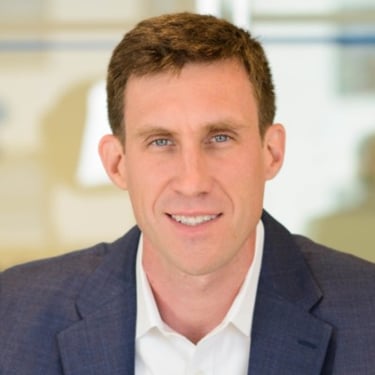
Principal
The Brattle Group
Speaking In:
Julia Selker
Julia Selker is the Director of Policy and Strategy for Grid Strategies. In this role, she facilitates new business and coordinates the Future Power Markets Forum. Julia also serves as the Executive Director of the Working for Advanced Transmission Technologies (WATT) Coalition, leading policy advocacy and education on Grid Enhancing Technologies. She previously worked in communications for the Business Council for Sustainable Energy and technology startups, interned with Congressman Peter DeFazio focused on energy and climate policy, and worked on the launch of Monterey Bay Community Power through the public relations agency Miller Maxfield, Inc. She has a bachelor’s degree in physics from Reed College.

Speaking In:
Peter Ambiel
Peter Ambiel is a Senior Strategic Business Planner at the Sacramento Municipal Utility District (SMUD), where he serves as the organization’s lead for commercial electric vehicle strategy, overseeing medium- and heavy-duty infrastructure expansion, public fast-charging growth, vehicle-grid integration initiatives, and new business and rate design models. His work focuses on aligning transportation electrification with grid planning, clean energy deployment, and utility decarbonization goals. In parallel, he is active in climate leadership and research, serving as Bay Area Fellowship Coordinator for the Clean Energy Leadership Institute and previously conducting graduate research at the University of California, Davis Electric Vehicle Research Center on the emissions impacts of EV charging infrastructure and power system modeling. Ambiel holds an M.S. in Energy Systems from UC Davis and a B.A. in Economics from Yale University, where he was also an Undergraduate Scholar in Energy Studies.
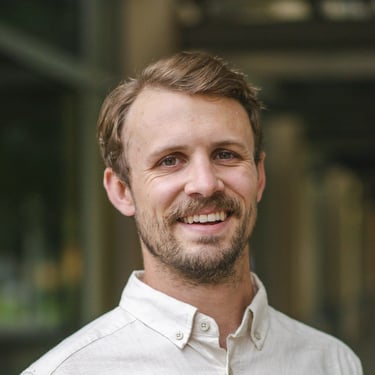
Commercial EV Strategy Lead
Sacramento Municipal Utility District (SMUD)
Speaking In:
Joey Berg
Joey Berg is the CEO of EnergiSpot, a U.S.-based electric vehicle supply equipment (EVSE) venture formed in partnership with Taiwan’s eTreego Co., Ltd.. Having begun his career in the U.S. Marine Corps and subsequently held leadership roles in operations, distribution and logistics at companies such as Amazon, Target Corporation, Tesla, Inc. and Pattern, Berg joined EnergiSpot in 2024 to steer its expansion. EnergiSpot is building manufacturing and operations capacity in Utah and beyond, developing EV charging solutions for land, sea and air applications under the goal of enabling widespread electrification.
Chief Executive Officer
EnergiSpot
Speaking In:
Russell Schmidt
Russell Schmidt is Vice President of Digital Products at InCharge Energy, where he leads the Product Management, Data Science, and User Experience teams. InCharge’s Digital Products team develops software solutions that support electric vehicle charger maintenance, energy management, and commercial EV fleet operations with the InControlTM️ Charger Maintenance & Management System (CMMS). His professional background includes product management at EVgo, where he led the development of EVgo’s driver applications for iOS and Android, and at AT&T, where he directed the development of a news aggregator and companion mobile application. He holds a bachelor’s degree in economics from Harvard University and a Master of Science in Design, Business, and Technology from the University of Southern California’s Iovine and Young Academy.

Vice President of Digital Products
InCharge Energy
Speaking In:
Casper Rasmussen
Casper Rasmussen is the CEO & Co‑founder of Monta, a leading platform powering EV charging operations across Europe and North America. Prior to Monta, he served as CTO at Monstar Lab Group. Monta has raised over €130 million in funding since launching in 2020 and is the software backend of hundreds of thousands of chargers. Casper brings deep technical expertise and a visionary mindset to solving the complex challenges of EV infrastructure at scale. As a recognized thought leader in EV charging, he frequently speaks on topics such as interoperability, charge point utilization, and the role of AI in e-mobility.
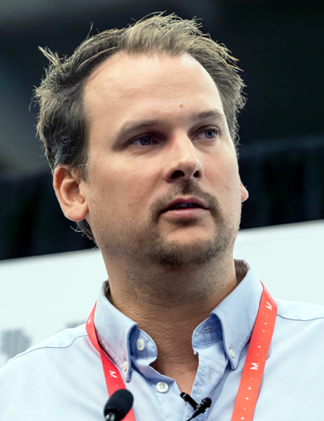
CEO and Co-Founder
Monta
Speaking In:
Daniel Engelman
Daniel Engelman is Vice President of Business Development for the EV market at Ubicquia, where he helps Charge Point Operators and municipalities improve charger reliability through real-time grid visibility and edge analytics. A longtime leader in EV infrastructure and smart city innovation, Daniel has spent over 20 years launching and scaling technology programs across engineering, operations, and business development.
Before joining Ubicquia, he served as VP of Reliability at ChargerHelp!, where he led the development of a telemetry-driven platform to improve EVSE uptime. Daniel is a frequent speaker on EV reliability, power quality, and utility-CPO collaboration.
Vice President
Ubicquia
Speaking In:
Alexander Stratmoen
Alexander Stratmoen is the Co-Founder and CEO of Voltra, a Mountain View-based startup developing next-generation grid infrastructure to support the electrified economy. A University of Waterloo Computer Engineering graduate, Alexander brings experience across data engineering, systems software, and early-stage venture investing — having worked with Theory Ventures, NCR, and Cosine Networks, where he co-founded a network virtualization platform. In addition to leading Voltra, he helps build technical and founder communities through Socratica, reflecting his passion for scalable energy systems, distributed computing, and the intersection of hardware and venture innovation.

Chief Executive Officer
Voltra
Speaking In:
Wayne Morrison
Wayne Morrison is Principal of Emerging Technology at Reliant, an NRG company, with responsibility for overseeing new residential technology. NRG Consumer’s home energy business, which includes Reliant, serves nearly 3 million customers in Texas. With 40+ years electrical industry experience in both the regulated and deregulated market, Wayne is passionate about the changing electricity landscape and how Reliant is leading the future of energy for consumers.
Wayne evaluates, implements and develops emerging energy products and services for customers, including home automation and energy storage technologies. He manages the Reliant Smart Home in Houston, Texas that serves as the company’s real-world research and development hub, where he provides educational sessions on new technologies available in the market.
Wayne’s career started in distribution engineering. He has held positions coordinating electric service for residential, commercial and industrial customers and has managed several energy efficiency programs.
Wayne earned his Bachelor of Science degree in Electrical Technology from the University of Houston. He is licensed by the Texas Real Estate Commission for instruction of agents on new technologies.

Principal – Emerging Technologies
Reliant
Speaking In:
Stephen Bedford
Stephen Bedford is Manager of Emerging Technology at Reliant, an NRG company, with responsibility for testing new residential technologies. NRG’s Consumer Home Energy business, which includes Reliant, serves nearly 3 million customers in Texas. With 25+ years of electrical industry experience as a contractor and in the deregulated market.
Stephen evaluates emerging energy products and services for customers, including home energy storage and vehicle-to-home technologies. He helps manage the Reliant Smart Home in Houston, Texas that serves as the company’s real-world research and development hub, where he provides educational sessions on new technologies available in the market. Stephen is excited about the changing electricity landscape and how Reliant is leading the future of energy for consumers.
Stephen’s career started as an electrical contractor in Phoenix. He holds master electrician licenses in Texas and Utah. Stephen is a certified technician for multiple whole home generators, whole home battery and vehicle-to-home systems. Stephen earned his Bachelor of Science degree in Psychology, from Angelo State University in Texas.
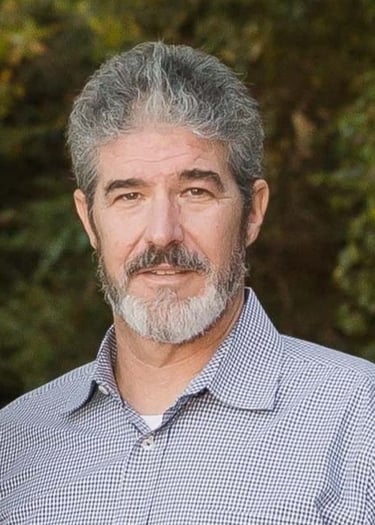
Manager, Emerging Technology
Reliant, an NRG Company
Speaking In:
Bill Ferro
Bill Ferro is the Co-Founder and CTO of Paren and Founder of EVSession, where he leads efforts to improve the reliability, transparency, and data accessibility of EV charging infrastructure across the U.S. With a background spanning over two decades in enterprise software leadership, including senior roles at IBM directing global engineering and payments teams that supported major financial systems such as the U.S. Federal Reserve, Bill brings deep technical and organizational expertise to the clean energy transition. Now focused on mission-driven climate initiatives, he is passionate about advancing electrification through data-driven insights that empower fleet managers, governments, and charging networks to build a more reliable and equitable electric mobility ecosystem. Bill is a graduate of Boston University with a degree in Computer Science.
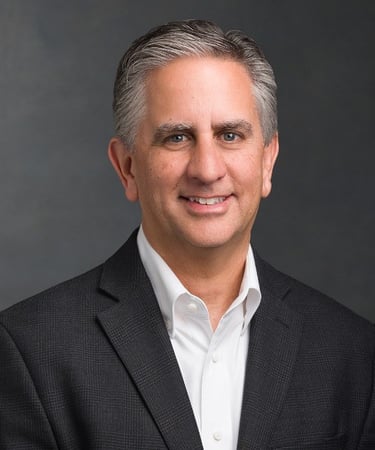
Speaking In:
Kevin Cameron
Kevin Cameron is an analog and mixed-signal design expert with deep experience at the intersection of hardware, software, and AI. As President of Prezent Energy and founder of Cameron EDA, he focuses on advancing electronic design automation (EDA) through artificial intelligence and parallel simulation methodologies, applying decades of engineering expertise to next-generation energy and semiconductor systems. Kevin’s background spans power electronics, mixed-signal simulation, and verification methodology, with contributions to the Verilog-AMS and SystemVerilog standards that underpin modern chip design. His work integrates insights from analog circuit behavior, neural networks, and high-performance computing to accelerate design and verification workflows. Kevin is a graduate of The University of Edinburgh with a B.Sc. (Hons) in Electronic and Electrical Engineering.

President
Prezent Energy
Speaking In:
Virginia Hewitt
Virginia Hewitt is a clean transportation leader dedicated to advancing large-scale electric vehicle adoption through innovative service and support solutions. As Senior Director of Enterprise Accounts at InCharge Energy, she helps organizations deploy and manage EV charging infrastructure at scale, building lasting partnerships that enable the transition to a cleaner and more efficient transportation ecosystem.
With more than a decade of experience spanning EV infrastructure, energy technology, and strategic partnerships, Virginia has played key roles in shaping the market — from helping establish Greenlots’ (now Shell Recharge) fleet charging business to driving business development at Voltera, where she supported the creation of fit-for-purpose charging facilities for commercial fleets. Known for her consultative and collaborative approach, she excels at aligning technical, operational, and financial goals to deliver scalable, high-impact solutions. Virginia holds an MBA in Strategy and Leadership from the UNC Kenan-Flagler Business School and a B.A. in Environmental Science and Policy from Duke University.


Senior Director of Enterprise Accounts
InCharge Energy
Speaking In:
Cameron Mott
Cameron Mott is the Cyber Physical Systems Section Manager at Southwest Research Institute (SwRI) in San Antonio, Texas, where he leads multidisciplinary teams advancing cybersecurity for automotive, defense, and critical infrastructure systems. With over 15 years of experience spanning embedded systems, robotics, and secure software engineering, Cameron has been instrumental in pioneering research on EV charging vulnerabilities, over-the-air update security, and post-quantum cryptography for embedded devices. His work bridges the gap between research and real-world implementation, helping clients across commercial and government sectors strengthen resilience against evolving cyber-physical threats. Cameron holds a Master’s degree in Computer Science from New Mexico State University.
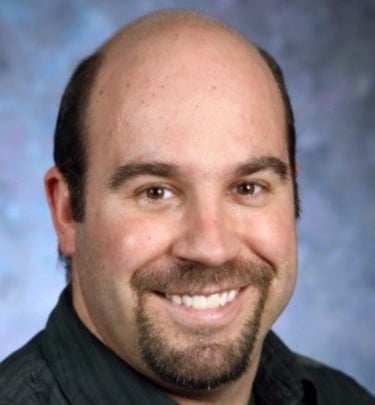
Cyber Physical Systems Section Manager
Southwest Research Institute
Speaking In:
Shana Patadia
Shana Patadia is Head of Business Development at Synop, Inc. She leads the approach to strategic partnerships, complex sales, and business development with a focus on creating a holistic and seamless charging ecosystem for Synop's customers. With a background in energy, Shana has built a career around the electrification of fleets, having previously led the productization of fleet charging software, interfaced with autonomous/carshare/rideshare/eVTOLs, and guided charging hub hardware/software procurement.

Head of Business Development
Synop
Speaking In:
Doug Merritt
Doug Merritt is an accomplished customer-experience and technology-operations leader, currently serving as Vice President and Global Head of Customer Experience & Network Operations at Prologis. With a foundation in computer science and more than two decades of progressive leadership across software/hardware development, smart-energy systems, and EV charging networks, he is known for transforming complex technical organizations into high-performing, customer-centric teams. Doug has led large global support operations, scaled advanced solutions for emerging energy and mobility technologies, and consistently improved customer satisfaction, operational uptime, and workflow efficiency. His career includes senior roles at Shell Recharge Solutions/Greenlots, Honeywell, and Elster, where he drove product innovation, multivendor interoperability, and enterprise-wide service excellence.
Vice President, Global Head of Customer Experience & Network Operations
Prologis
Speaking In:
Leah Brams
Leah Brams is a dedicated advocate for sustainable transportation and energy solutions, currently serving as a Market Development Manager at Highland Electric Fleets. With a strong background in environmental studies, public policy, and chemistry from Dartmouth College, Leah has developed expertise in market research, policy analysis, and stakeholder engagement. Her work focuses on accelerating the transition to electrified transportation by navigating regulatory landscapes, managing consulting engagements, and identifying market opportunities.


Market Development Manager
Highland Electric Fleets
Speaking In:
Carolyn Weiner
Carolyn Weiner leads EVCAN’s program strategy, bringing nearly two decades of experience in the utility and renewable energy sectors. Her career spans electric vehicle program design, rooftop solar and storage, and strategic consulting for utility clients. Before joining EVCAN, Carolyn spent almost nine years at PG&E, where she led electric vehicle and energy efficiency programs. Her roles have consistently focused on connecting big-picture energy goals with on-the-ground implementation, ensuring that programs are designed to be scalable, equitable, and effective.
Carolyn holds both a Bachelor of Science and a Master of Business Administration degree from the University of California, Davis. She remains connected to the energy field as a mentor to graduate students in UC Davis’s Energy Graduate Group, where she supports emerging leaders in clean energy and policy. She brings to EVCAN not only a strong technical background but also a commitment to making EV charging solutions work in real-world contexts across communities, technologies, and utility frameworks.
Program Director
Electric Vehicle Charging Accessibility Network (EVCAN)
Speaking In:
Trishan Peruma
With over a decade of global experience in CleanTech and energy, Trishan Peruma is driving the transition to electric mobility at scale.
A graduate in Business and International Law, Trishan began his career at Shell Australia before playing key roles in scaling two CleanTech startups across Europe and North America. He held leadership positions at Pod Point, a major EV infrastructure provider in the UK and Norway, and ViriCiti, a fleet electrification platform acquired by ChargePoint in 2021.
Since 2022, Trishan has been serving as CEO of Hubject North America. Hubject is a B2B software company advancing EV charging interoperability by connecting automakers and charging networks to deliver a seamless, secure charging experience.

CEO, North America
Hubject
Speaking In:
Benoit Lacroix
Benoit Lacroix is a dynamic leader with nearly 20 years of experience promoting sustainable development through entrepreneurship and new technologies. As a co-founder of Effenco, he spearheaded the company's growth, leading the development and deployment of cutting-edge truck electrification solutions over 15 years. Benoit also served as CEO of Astus, a fleet telematics company, where he successfully restructured the organization to drive technological transformation and growth. Currently, as co-founder and CEO of ReliON, he focuses on EV charger operation and maintenance software. Benoit’s strengths in vision and strategic thinking, combined with his hands-on approach, boundless energy, and collaborative nature, make him a driving force in the industry. Benoit holds a Ph.D. in engineering from ÉTS university.
Co-Founder and CEO
Relion
Speaking In:
Rudi Halbright
Rudi Halbright is an Expert Product Manager and a lead subject matter expert on Vehicle-Grid Integration at Pacific Gas and Electric Company. At PG&E, Rudi leads the efforts to establish large-scale pilot programs that demonstrate the value of VGI for various stakeholders, including customers, utilities, regulators, and policymakers. He also manages the VGI emerging technology program, support the VGI regulatory activities, and develop analytical tools to help decision-making regarding the adoption of EVs and EV charging equipment. In addition, he leverages his skills and knowledge in information systems, process improvement, and new business development to create innovative and effective solutions for the VGI market. His mission is to build a path to programs that support V2X (vehicle-to-everything) and help increase the resiliency of the electric grid and decrease the dependence on fossil fuels.
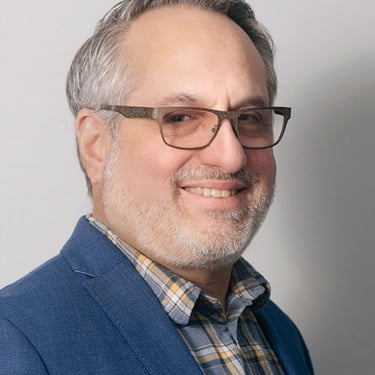
Expert Product Manager Vehicle-Grid Integration
Pacific Gas & Electric
Speaking In:
Gwendolyn Brown
As Vice President of Communications at the Interstate Renewable Energy Council (IREC), Gwen oversees communications and outreach to increase awareness of IREC’s work to build the foundation for rapid adoption of clean energy and energy efficiency. This work spans IREC’s regulatory engagement, workforce development, and its local initiatives to support communities in bringing clean energy and energy efficiency to their residents and businesses. Prior to joining IREC, Gwen was one of the first marketing hires at (then-startup) Aurora Solar, a software firm working to reduce the cost of residential and commercial solar through remote site analysis and PV design. In this role, she led the creation of educational content for solar professionals—including blog posts and webinars. Earlier in her career, Gwen was a Senior Research Associate at the Environmental Law Institute and a Fellow with the Clean Energy Leadership Institute. She graduated Phi Beta Kappa from Gettysburg College and resides in the San Francisco Bay Area with her husband.
Vice President, Communications
Interstate Renewable Energy Council (IREC)
Speaking In:
Zach Woogen
Zach is the Executive Director for VGIC, where he leads regulatory, policy, and market development efforts, covering utility rate and program design, interconnection rules and regulations, and managed charging and V2X technology in the leading VGI markets. Previously, Zach was a Senior Manager at Strategen, supporting go-to-market strategy for clients in the V2X and smart charging space. Prior to joining Strategen, Zach was a Project Manager with Bay-Area Environmentally Aware Consulting Network (BEACN) in energy strategy. Zach has a Bachelor of Science in Environmental Economics and Policy from the University of California, Berkeley.
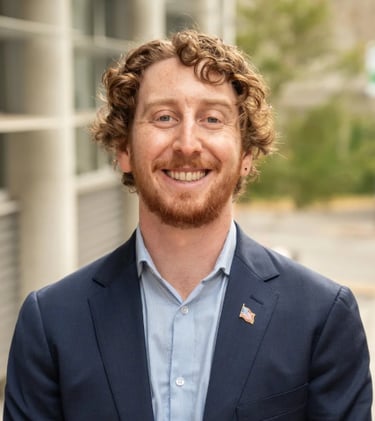
Executive Director
Vehicle-Grid Integration Council (VGIC)
Speaking In:
Dr. Aravind Kailas
Aravind Kailas is the Advanced Technology Policy Director at Volvo Group, where he leads U.S. advocacy at the intersection of transportation, artificial intelligence, and energy to accelerate the deployment of modern, sustainable freight solutions. He has over a decade of experience driving multi-million-dollar initiatives, shaping public policy, and building coalitions across government, industry, academia, and NGOs. At Volvo, Aravind has championed bipartisan legislation, advanced regulatory reforms and infrastructure investments to scale electric truck charging networks, and directed policy efforts supporting the safe commercialization of autonomous trucks. Previously, he led Volvo’s innovation efforts in California, securing more than $200 million in grants and launching first-of-their-kind electric truck, charging, and connected-vehicle projects. He holds a Ph.D. in Electrical and Computer Engineering and an M.S. in Mathematics from Georgia Institute of Technology.
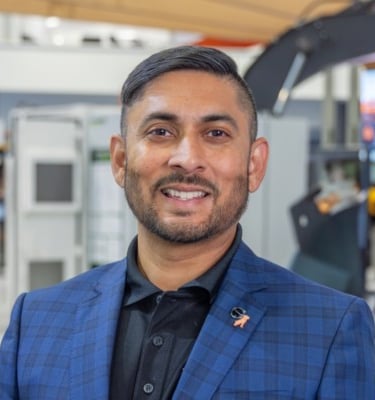
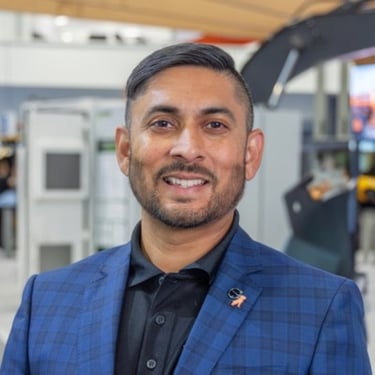
Advanced Technology Policy Director
Volvo Group
Speaking In:
Alex Pfeifer-Rosenblum
Alex Pfeifer-Rosenblum joined CALSTART as Regulatory Director in 2024, advocating for policies that advance clean transportation in utility regulatory proceedings across the country. Alex focuses on ensuring that utility infrastructure can accommodate vehicle electrification, addressing topics including planning, rate design, ratepayer-funded infrastructure incentives, energization, and more.
Prior to joining CALSTART, Alex worked as a Regulatory Consultant, supporting clients in utility regulatory proceedings on topics including vehicle and building electrification, cost of service modeling, advanced rate design, and other topics related to the clean energy transition. Before that, Alex supported ratepayer advocacy at CleanPowerSF, the Community Choice Aggregation (CCA) program for the City and County of San Francisco. He has also worked with the California Public Utilities Commission on the state’s energy efficiency program serving low-income ratepayers and with Carbon Lighthouse Association on analyzing the economic impact of retiring carbon allowances in the East Coast’s cap and trade program. He holds a Master of Public Policy from the Goldman School at UC Berkeley and a BA in History from Wesleyan University.
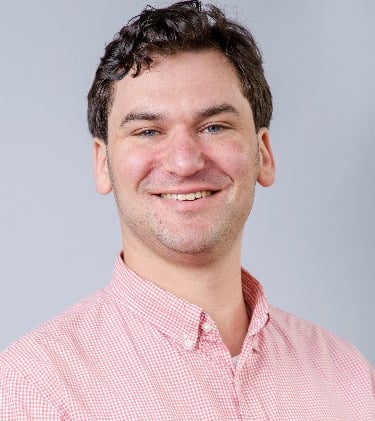

Regulatory Director
CALSTART
Speaking In:
Lindsay Shigetomi
Lindsay Shigetomi is a Senior Manager of Fleet Engagement at Environmental Defense Fund, where she leads national efforts to accelerate the transition to zero-emission freight through strategic fleet partnerships, policy engagement, and market transformation. With dual master’s degrees in Public Policy and Business Administration, Lindsay works at the intersection of industry, government, and community organizations to scale the adoption of electric heavy-duty trucks across key states including California, Texas, and New York. She develops and executes programs that aggregate shipper demand, highlight real-world fleet deployments, and ensure that environmental justice and public health considerations are embedded in transportation policy and implementation.


Senior Manager, Fleet Engagement
Environmental Defense Fund
Speaking In:
Tom Tansy
Tom Tansy is Chairman of the SunSpec Alliance where he leads the distributed energy industry's efforts to establish data and communication standards that enable seamless integration of solar PV and storage into the Smart Grid. Tom previously served as a board member for the Solar Energy Finance Association, as General Manager and Vice President of Business Development for Power-One (now part of ABB), VP of Business Development for Fat Spaniel, pioneering solar Software-as-a-Service (SaaS) provider and start up contributor of the electric vehicle manufacturer, Zero Motorcycles.
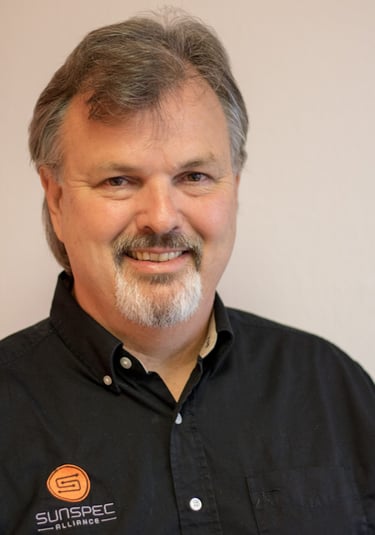
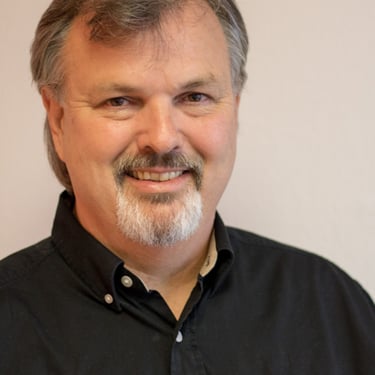
CEO, DER Security Corp
Chairman, SunSpec Alliance
Speaking In:
Vish Ganti
Vish Ganti is President & Chief Operating Officer of DER Security Corp (DERSec), where he leads product strategy and growth initiatives focused on building the largest cybersecure and interoperable network of Distributed Energy Resources (DERs). His work addresses one of the energy transition’s most urgent challenges: protecting the grid edge as DERs, EVs, and storage systems become core grid infrastructure.
Vish brings over 15 years of experience across virtual power plants, grid software, and clean energy systems. Prior to DERSec, he led Global Virtual Power Plant and Edge AI platforms at Qcells, and previously held executive leadership roles at AutoGrid, where he scaled VPP platforms, drove 5x revenue growth, and built global product and engineering organizations. His career also includes roles at Johnson Controls, CPower, and Lawrence Berkeley National Laboratory.
He has developed large-scale VPP systems managing 21,000+ distributed assets, contributed to the OpenADR 2.0 standard, and supported the creation of $1.5B+ in solar financing programs. Vish holds a Master’s degree in Electrical & Energy Systems, with advanced education from Stanford Continuing Studies and UC Berkeley.
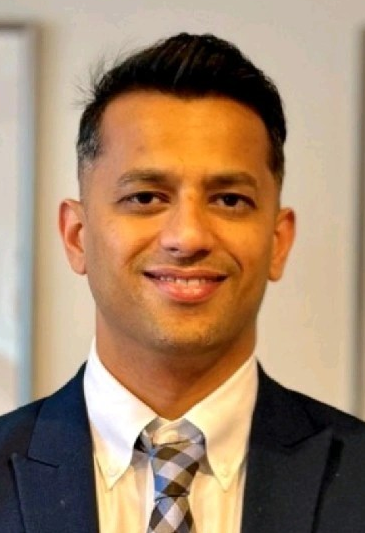
President
DER Security Corp
Speaking In:
Dr. Dante Sblendorio
Dante Sblendorio is Head of Software at Critical Loop, where he leads the design and development of advanced software systems delivering reliable, flexible, and intelligent energy solutions across on-grid and off-grid environments. He oversees software architecture, data platforms, and applied AI initiatives that integrate deep energy systems expertise with modern computation to support resilient power infrastructure.
Previously, Dante was a Senior Computer Vision and Machine Learning Research Engineer at Samsung SmartThings, where he developed large-scale AI systems processing hundreds of thousands of events per second, built custom machine learning pipelines for edge and cloud deployment, and helped define company-wide AI strategy. His work spanned computer vision, activity recognition, and real-time inference optimization across CPUs, GPUs, and TPUs.
Dante holds a PhD in Physics from EPFL (École polytechnique fédérale de Lausanne) and a Master’s degree in Data Science, with a research background in experimental quantum and surface physics. Earlier in his career, he authored peer-reviewed technical articles on machine learning and scientific computing and built complex experimental and data-driven systems across physics, automation, and applied AI.
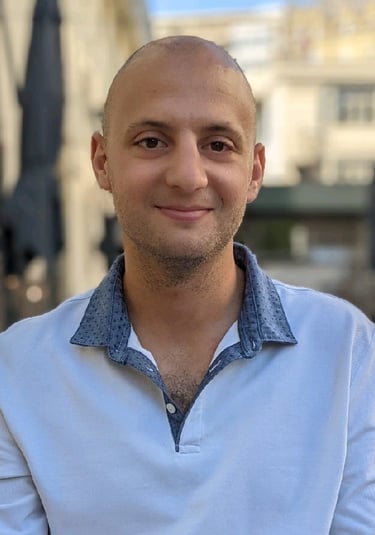
Head of Software
Critical Loop
Speaking In:
Damon Kachur
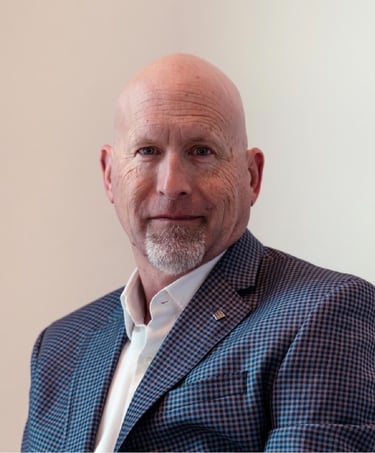
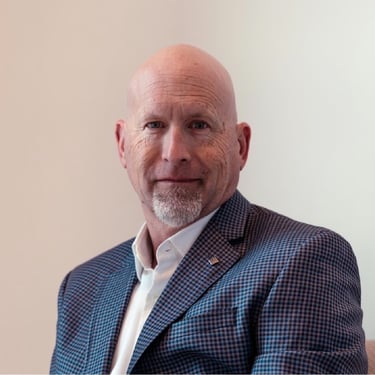
Damon Kachur is Chief Executive Officer of SecureG, where he leads the company’s mission to restore trust in digital communications through secure identity, authentication, and fraud-prevention technologies. With nearly two decades of experience across cybersecurity, PKI, and IoT security, Damon has built and scaled global partnerships, commercial programs, and go-to-market strategies that bridge technology providers, mobile operators, and enterprise customers.
Prior to becoming CEO, Damon served as General Manager of SecureG and previously held senior leadership roles at Utimaco, PrimeKey (part of Keyfactor), Sectigo, and Comodo CA, where he led strategic partnerships, IoT security initiatives, and business development across North America and international markets. His career has focused on trusted digital identity, device security, and large-scale security infrastructure supporting telecom, enterprise, and emerging connected ecosystems.
Damon is co-author of US Patent 10560448 — One-touch secure on-boarding of OOB IoT devices. He earned his bachelor’s degree in business management and administration from the Eberhardt School of Business at the University of the Pacific in Stockton, CA.
Chief Executive Officer
SecureG
Speaking In:
Tom McCalmont
Tom McCalmont is CEO and cofounder of Paired Power, specializing in resilient solar microgrid charging solutions for EVs and EV fleets. He has over 25 years of solar, storage, and EV charging experience. Prior to Paired Power, he co-founded the respected solar engineering firm, McCalmont Engineering, which has designed over 15 gigawatts of solar projects in 40 U.S. states (and today designs over 10% of the country’s total solar project capacity each year). Prior to that Tom was CEO and cofounder of Regrid Power, one of California’s earliest and most successful solar installation companies.
Tom has a demonstrated track record of creatively applying new technology to solving real world customer problems. He earned his MS degree in electrical engineering from Stanford University and both Sc.D. and BS degrees from Muskingum University. Tom holds 18 U.S. patents and is a licensed Professional Engineer, a charter NABCEP-certified Solar PV Installer, and an EVITP-certified licensed electrical/solar contractor in California.

Chief Executive Officer
Paired Power
Speaking In:
Contact Us
Program Manager
Daniel Coran
Editor, SGO
info@smartgridobserver.com
+1-815-310-3343
www.smartgridobserver.com
Copyright 2025 Smart Grid Observer. All rights reserved